Introduction
Digital marketing has transformed the way businesses connect with customers. Whether you’re running a startup, managing a small business, building a personal brand, or planning a career in marketing, understanding this is one of the most valuable skills you can develop in 2026.
Unlike traditional marketing, digital marketing allows businesses to reach the right audience through search engines, social media, websites, emails, and online advertisements. It provides measurable results, making it easier to understand what works and what needs improvement.
Today, millions of people search online before purchasing a product or service. Businesses that fail to establish an online presence often lose customers to competitors who invest in here. This is why companies of all sizes continue increasing their digital marketing budgets every year.
In this beginner-friendly guide, you’ll learn everything you need to know about digital marketing, including its different types, essential tools, latest trends, and practical tips to get started.
Table of Contents
- What is Digital Marketing?
- Why Digital Marketing Matters in 2026
- Types of Digital Marketing
- Search Engine Optimization (SEO)
- Search Engine Marketing (SEM)
- Social Media Marketing
- Content Marketing
- Email Marketing
- Affiliate Marketing
- Influencer Marketing
- Video Marketing
- AI
- Essential Tools
- How to Build Your First Digital Marketing Strategy
- Common Mistakes Beginners Make
- Career Opportunities
- Frequently Asked Questions
- Conclusion
What is Digital Marketing?
Digital marketing refers to promoting products, services, or brands using digital channels such as websites, search engines, social media platforms, email, mobile applications, and online advertising.
Instead of relying only on television, newspapers, or billboards, businesses use digital platforms to reach customers where they spend most of their time—online.
This is data-driven, allowing businesses to measure traffic, clicks, conversions, customer behavior, and return on investment (ROI).
Example
Imagine you own a bakery.
Traditional marketing would involve handing out flyers.
Digital marketing allows you to:
- Create a professional website
- Rank on Google when people search for “best bakery near me”
- Post photos on Instagram
- Run Facebook ads
- Send discount emails
- Collect customer reviews
- Track every visitor using analytics
Why Digital Marketing Matters in 2026
Digital marketing has become essential because consumer behavior has shifted online. Before buying anything, most customers search for reviews, compare products, watch videos, and visit websites.
Benefits include:
- Reach a global audience
- Lower marketing costs
- Target specific customers
- Measure campaign performance
- Generate high-quality leads
- Improve customer relationships
- Increase sales and brand awareness
- Build long-term business growth
Types of Digital Marketing
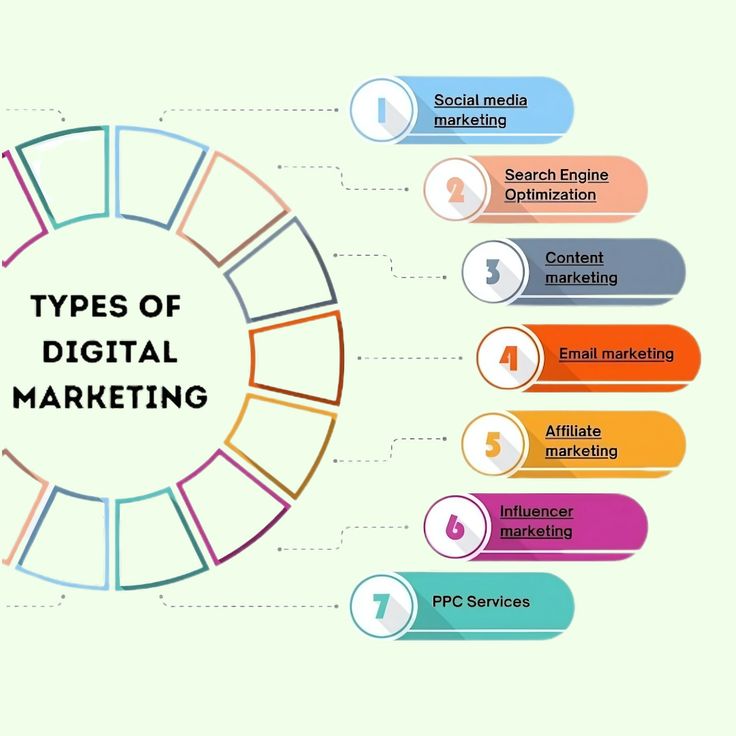
Digital marketing includes several specialized areas that work together.
1. Search Engine Optimization (SEO)
SEO is the process of improving a website so it appears higher in search engine results organically.
The higher your ranking, the more visitors your website receives without paying for advertisements.
SEO includes:
- Keyword Research
- On-Page SEO
- Technical SEO
- Off-Page SEO
- Local SEO
Example:
If someone searches
“Best digital marketing course in Chennai”
A well-optimized website has a better chance of appearing on Google’s first page.
2. Search Engine Marketing (SEM)
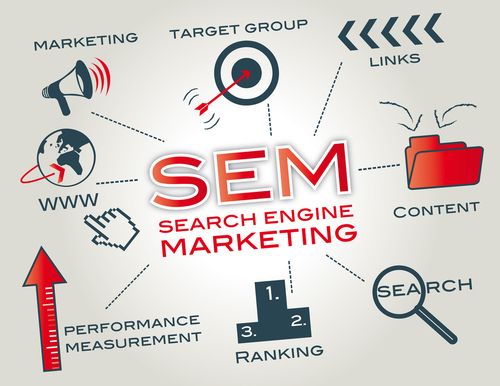
SEM involves paid advertisements on search engines.
Businesses bid on keywords so their ads appear above organic results.
Popular platforms include:
- Google Ads
- Microsoft Ads
Advantages:
- Instant visibility
- Targeted traffic
- Fast lead generation
- Flexible budget
3. Social Media Marketing
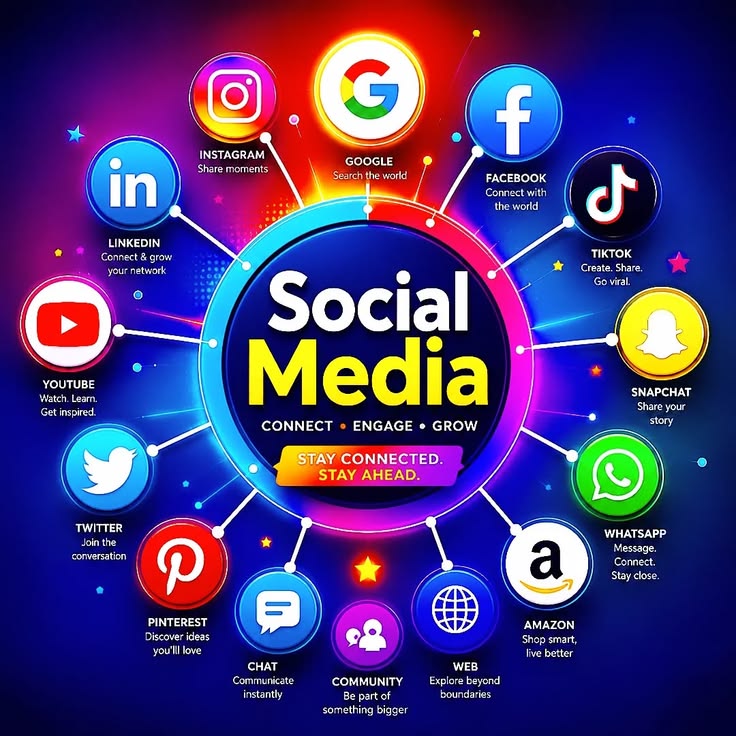
Social media marketing involves promoting brands through platforms like:
- YouTube
- X
Businesses use social media to:
- Build communities
- Increase engagement
- Promote products
- Generate leads
- Improve customer support
4. Content Marketing
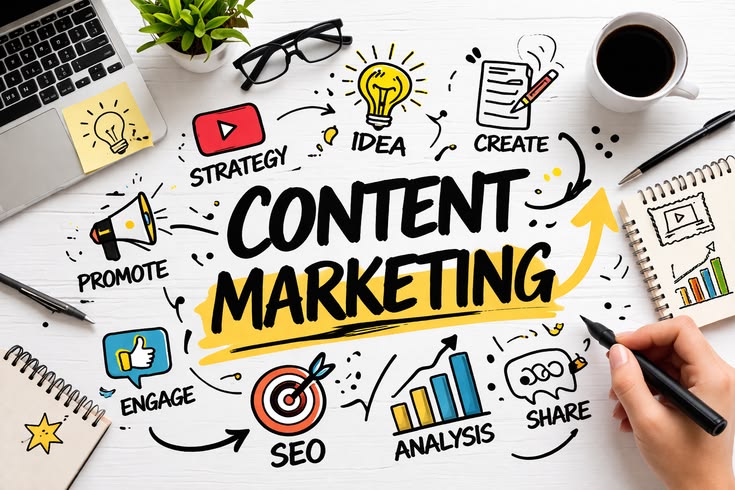
Content marketing focuses on creating valuable content that educates or entertains audiences.
Examples include:
- Blog articles
- Videos
- Podcasts
- Infographics
- E-books
- Case studies
High-quality content builds trust and improves SEO rankings.
5. Email Marketing
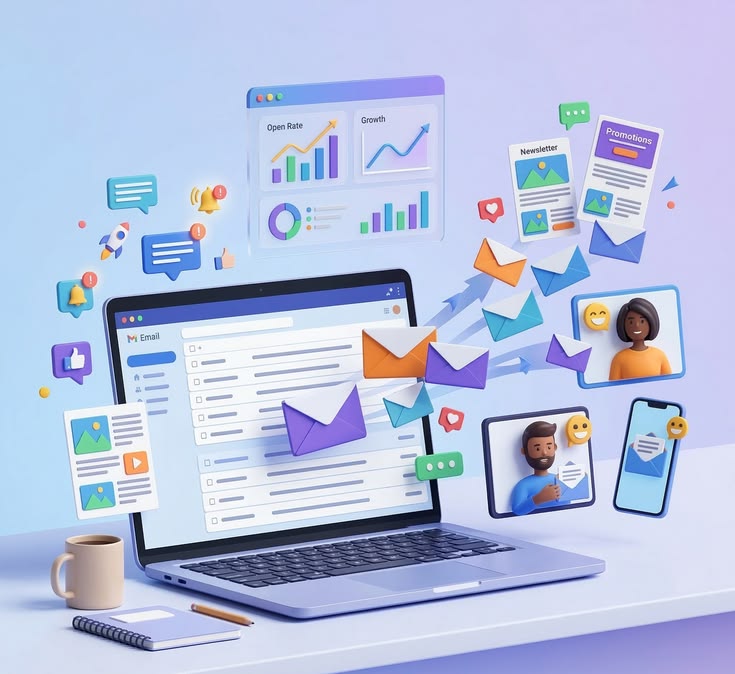
Email marketing remains one of the highest ROI marketing channels.
Businesses send emails to:
- Welcome new subscribers
- Share newsletters
- Promote products
- Offer discounts
- Recover abandoned carts
A well-planned email campaign strengthens customer relationships.
6. Affiliate Marketing
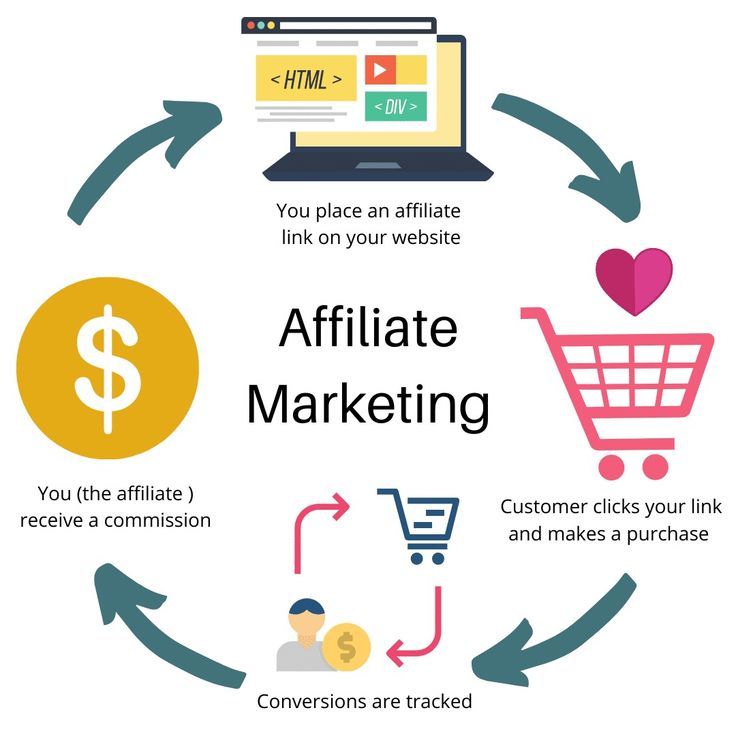
Affiliate marketing allows individuals to earn commissions by promoting products or services.
When someone purchases through an affiliate link, the affiliate receives a percentage of the sale.
7. Influencer Marketing
Influencers collaborate with brands to promote products to their audience.
Because influencers have built trust with their followers, recommendations often generate higher engagement than traditional advertisements.
8. Video Marketing
Video has become one of the fastest-growing content formats.
Businesses create:
- Tutorials
- Product demos
- Behind-the-scenes videos
- Customer testimonials
- Educational content
- Shorts and Reels
Videos increase engagement and improve conversions.
AI
Artificial Intelligence has transformed marketing in 2026.
AI helps marketers:
- Generate content ideas
- Analyze customer behavior
- Create personalized recommendations
- Automate email campaigns
- Improve customer service using chatbots
- Optimize advertising campaigns
- Predict customer trends
AI saves time, but human creativity and strategic thinking remain essential.
Essential Tools
Every beginner should become familiar with these tools:
SEO
- Google Search Console
- Google Keyword Planner
- Ahrefs
- SEMrush
- Ubersuggest
Analytics
- Google Analytics 4
- Microsoft Clarity
Content Creation
- Canva
- ChatGPT
- Grammarly
Social Media
- Buffer
- Hootsuite
- Meta Business Suite
Email Marketing
- Mailchimp
- Brevo
- ConvertKit
How to Build Your First Digital Marketing Strategy

Step 1: Define your goals.
Examples:
- Increase website traffic
- Generate leads
- Boost online sales
- Improve brand awareness
Step 2: Understand your audience.
Identify:
- Age
- Interests
- Location
- Pain points
- Buying behavior
Step 3: Create valuable content.
Focus on solving customer problems instead of constantly promoting products.
Step 4: Optimize for SEO.
Use relevant keywords, improve page speed, optimize images, and create quality content.
Step 5: Promote on social media.
Share blog posts consistently and engage with your audience.
Step 6: Analyze performance.
Monitor traffic, conversions, and user behavior using analytics tools.
Adjust your strategy based on the data.
Common Beginner Mistakes
Many beginners struggle because they:
- Ignore SEO
- Publish inconsistent content
- Buy fake followers
- Target everyone instead of a niche
- Ignore website speed
- Skip analytics
- Focus only on selling
- Neglect mobile optimization
- Forget email marketing
- Give up too early
Consistency always beats shortcuts.
Career Opportunities
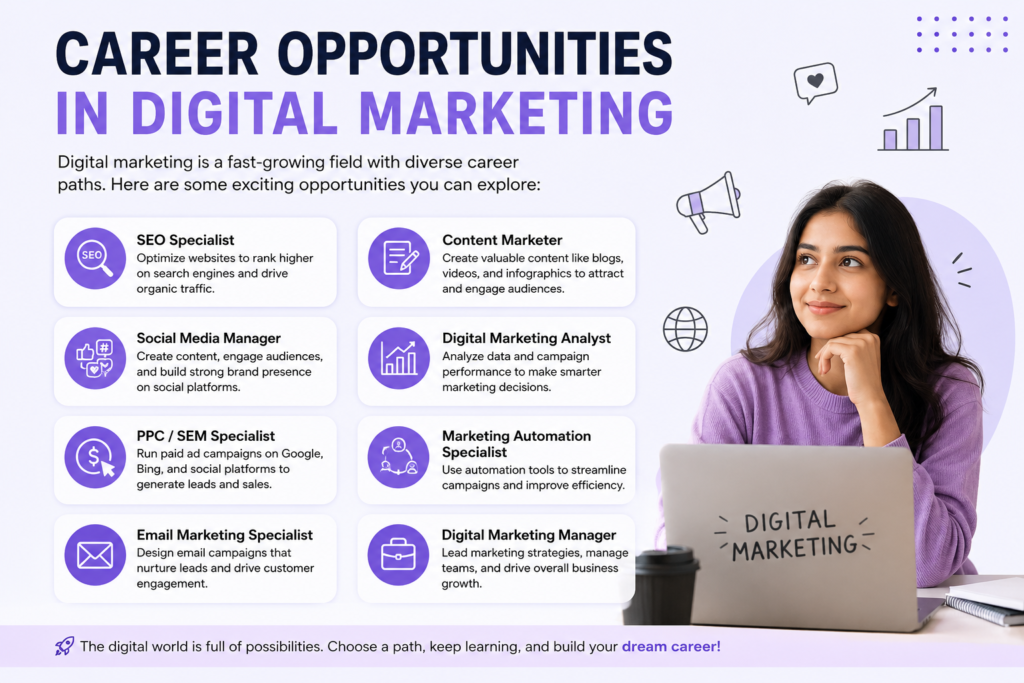
Digital marketing offers numerous career paths.
Popular roles include:
- SEO Specialist
- Content Writer
- Social Media Manager
- PPC Specialist
- Digital Marketing Executive
- Performance Marketer
- Email Marketing Specialist
- Marketing Analyst
- E-commerce Manager
- Digital Marketing Manager
Freelancing and starting your own agency are also excellent career options.
Frequently Asked Questions

Is digital marketing difficult to learn?
No. With consistent learning and practical experience, beginners can develop strong digital marketing skills.
Do I need coding knowledge?
Basic HTML knowledge is helpful, but coding is not mandatory for most digital marketing roles.
Which marketing skill should I learn first?
SEO is an excellent starting point because it builds a strong foundation for content creation and website optimization.
How long does it take to learn digital marketer?
Most beginners can understand the fundamentals within a few months through regular practice and hands-on projects.
Is AI replacing digital marketers?
No. AI is a powerful tool that automates repetitive tasks, but successful marketing still relies on human creativity, strategy, communication, and decision-making.
Conclusion
Online Marketing continues to evolve, offering businesses and individuals endless opportunities to connect with audiences online. From SEO and content marketing to social media, email campaigns, and AI-powered tools, every channel plays a role in building a successful online presence.
The key to success is not mastering everything at once but starting with the fundamentals, practicing consistently, and staying updated with industry trends. As technology changes, marketers who focus on learning, testing, and adapting will remain ahead of the competition.
Whether your goal is to grow a business, become a freelancer, or build a rewarding career, this field provides the skills and opportunities to succeed in today’s digital world. Start with one strategy, measure your results, improve over time, and continue learning. Every successful digital marketer began as a beginner—the important step is to start today.
Thinking about getting into Online Marketing?]
Whether you’re starting from scratch or looking to level up your skills, click the link below and join the course
Digital Marketing Course in Chennai | Internship & Placement